
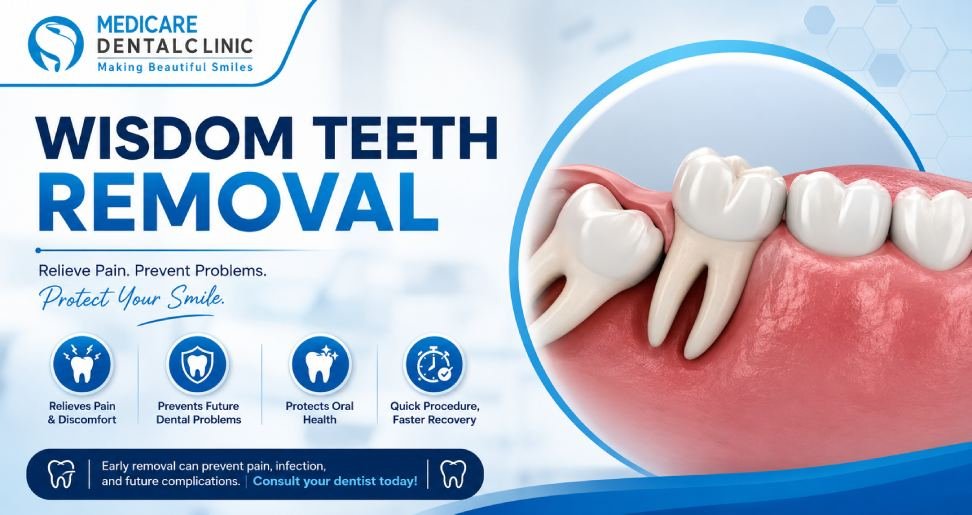
Wisdom teeth removal is one of the most common dental procedures performed worldwide. While some people experience no issues when their wisdom teeth emerge, many face pain, crowding, infection, and other dental complications that require professional treatment. Understanding the procedure, recovery process, and potential side effects can help you make informed decisions about your oral health.
If you have been searching for wisdom teeth removal near me, this guide will help you understand when removal is necessary and how expert dental care can ensure a smooth and comfortable experience.
What Are Wisdom Teeth?
Wisdom teeth are the third set of molars located at the back of the mouth. They typically emerge between the ages of 17 and 25. These teeth were useful for our ancestors who consumed a tougher diet, but modern humans often do not have enough space in their jaws to accommodate them.
As a result, wisdom teeth may become impacted, grow at an angle, or only partially emerge through the gums, leading to various oral health problems.
Why Is Wisdom Teeth Removal Necessary?
Dentists may recommend wisdom teeth removal when these teeth pose a risk to your oral health. Common reasons include:
1. Impacted Wisdom Teeth
When wisdom teeth fail to emerge properly, they can remain trapped beneath the gums or jawbone. Impacted teeth may cause pain, swelling, and infection.
2. Overcrowding
Wisdom teeth can push against neighboring teeth, causing alignment issues and crowding, especially after orthodontic treatment.
3. Gum Infections
Partially erupted wisdom teeth create spaces where food particles and bacteria can accumulate, increasing the risk of infection.
4. Tooth Decay
Wisdom teeth are difficult to clean due to their location, making them more susceptible to cavities and decay.
5. Cysts and Jaw Damage
In some cases, impacted wisdom teeth can lead to cyst formation, which may damage surrounding teeth and bone structures.
Common Symptoms That Indicate Wisdom Teeth Problems
You may need a dental evaluation if you experience:
- Persistent pain at the back of the mouth
- Swollen or bleeding gums
- Difficulty opening the mouth
- Jaw stiffness
- Bad breath
- Frequent gum infections
- Headaches caused by dental pressure
Early diagnosis can prevent complications and reduce the need for more extensive treatment.
The Wisdom Teeth Removal Procedure
Many patients feel nervous about undergoing wisdom teeth removal, but modern dental techniques have made the procedure safer and more comfortable than ever.
Initial Examination
Your dentist will conduct a thorough oral examination and may take digital X-rays to determine the position of your wisdom teeth.
Anesthesia
Depending on the complexity of the extraction, local anesthesia, sedation, or general anesthesia may be used to ensure patient comfort.
Tooth Extraction
The dentist or oral surgeon carefully removes the wisdom tooth. If the tooth is impacted, a small incision may be made in the gum to access and extract it safely.
Closing the Area
In some cases, dissolvable stitches are placed to aid healing and protect the surgical site.
The entire procedure usually takes less than an hour, depending on the number and position of the teeth being removed.
Wisdom Teeth Removal Pain: What to Expect
One of the biggest concerns patients have is wisdom teeth removal pain. During the procedure, anesthesia prevents pain, although you may feel some pressure.
After the extraction, mild to moderate discomfort is normal and can typically be managed with:
- Prescribed pain medications
- Cold compresses
- Rest
- Soft foods
- Proper oral hygiene
Most patients report that the discomfort gradually improves within a few days.
Wisdom Teeth Removal Recovery
Proper wisdom teeth removal recovery is essential for healing and preventing complications.
First 24 Hours
- Rest as much as possible
- Avoid rinsing vigorously
- Use ice packs to reduce swelling
- Bite gently on gauze to control bleeding
Days 2–7
- Continue eating soft foods such as yogurt, soup, mashed potatoes, and smoothies
- Avoid smoking and alcohol
- Maintain oral hygiene as directed by your dentist
- Stay hydrated
Weeks 2–4
Most patients experience significant healing during this period. Swelling and discomfort usually disappear, allowing normal eating and daily activities to resume.
Following your dentist’s post-operative instructions is crucial for a smooth recovery process.
Wisdom Teeth Removal Side Effects
Like any surgical procedure, there can be temporary wisdom teeth removal side effects. Fortunately, most are mild and resolve on their own.
Common side effects include:
Swelling
Facial swelling is normal and typically peaks within 48 hours before gradually subsiding.
Mild Bleeding
A small amount of bleeding during the first day is expected.
Jaw Stiffness
Some patients experience temporary difficulty opening their mouths fully.
Bruising
Minor bruising around the cheeks or jaw may occur.
Dry Socket
This is a less common complication that develops when the protective blood clot becomes dislodged from the extraction site. Prompt dental treatment can effectively manage this condition.
Choosing an experienced dental clinic significantly reduces the risk of complications.
Tips for Faster Healing
To support optimal recovery after wisdom teeth removal:
- Follow all post-operative instructions
- Eat nutritious soft foods
- Avoid using straws
- Refrain from smoking
- Stay hydrated
- Attend follow-up appointments
- Keep the extraction area clean
These simple steps can help speed up healing and minimize discomfort.
When Should You See a Dentist?
Contact your dentist immediately if you experience:
- Severe or worsening pain
- Excessive bleeding
- High fever
- Persistent swelling after several days
- Difficulty breathing or swallowing
Prompt attention can prevent more serious complications.
Looking for Wisdom Teeth Removal Near Me?
If you are searching online for wisdom teeth removal near me, it is important to choose a clinic that combines experience, advanced technology, and patient-centered care.
Medicare Dental Implants Clinic provides comprehensive wisdom teeth evaluation and extraction services in a safe and comfortable environment. Their experienced dental professionals use modern diagnostic tools and advanced treatment techniques to ensure precise procedures with minimal discomfort.
From the initial consultation to complete recovery, the team focuses on personalized care, helping patients feel informed and confident throughout the treatment process. Whether you have impacted wisdom teeth, recurring pain, or preventive concerns, Medicare Dental Implants Clinic offers reliable solutions tailored to your dental needs.
Conclusion
Wisdom teeth removal is a common and effective procedure that helps prevent pain, infection, crowding, and other oral health complications. Understanding the procedure, wisdom teeth removal pain, wisdom teeth removal recovery, and possible wisdom teeth removal side effects can help reduce anxiety and prepare you for a successful treatment experience.
If you are experiencing discomfort or have concerns about your wisdom teeth, seeking professional dental care is the best step toward maintaining a healthy smile. For expert evaluation and treatment, Medicare Dental Implants Clinic provides trusted care designed to ensure your comfort, safety, and long-term oral health.